

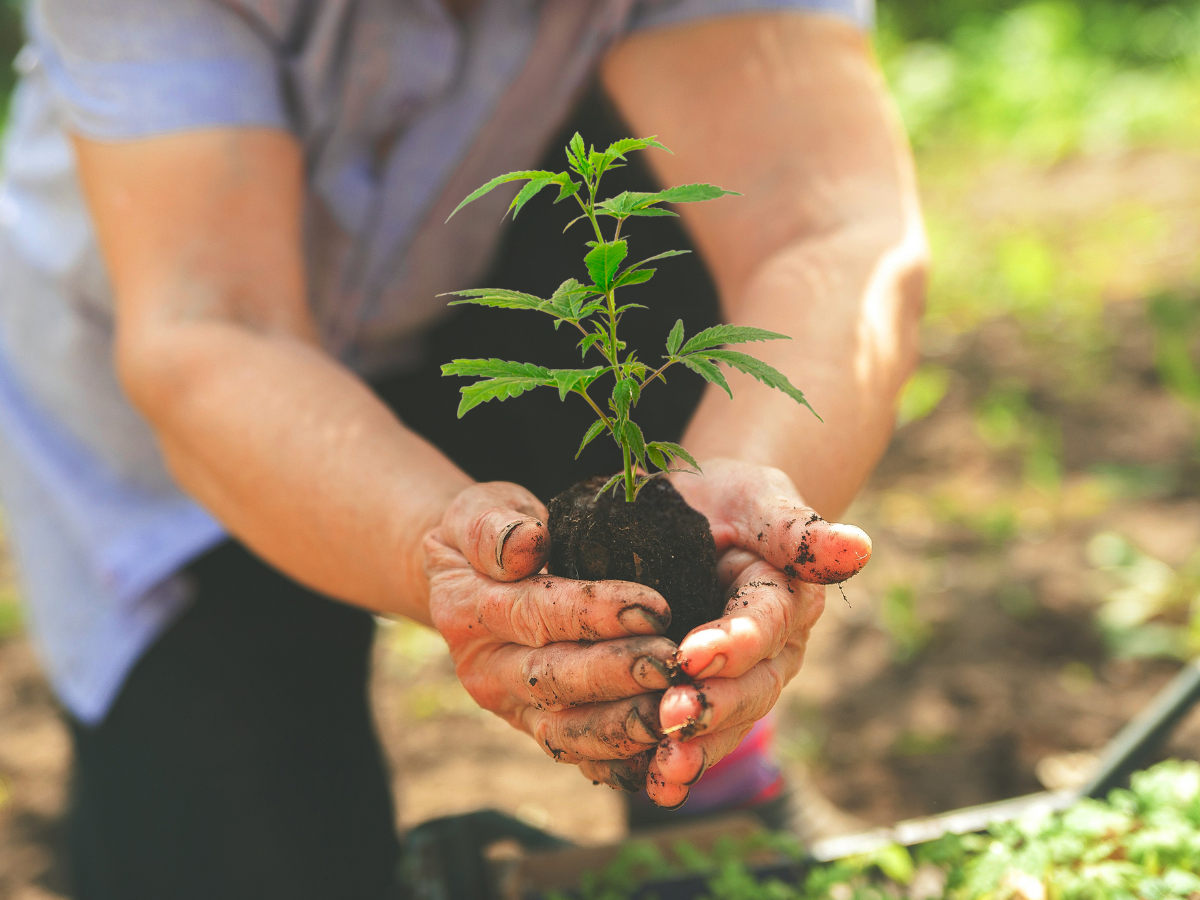
How getting your hands in the soil may nourish your mind, body, spirit—and sense of purpose
What if one of the simplest ways to step away from the noise of modern life is waiting just outside your door?
Before the emails, before the endless scrolling, before the next notification demands your attention, there is soil beneath your hands. A seed to plant. A plant to water. A flower to pick and enjoy.
Gardening may look like a hobby, but research increasingly suggests that it can be much more than that.
Studies of gardening and horticultural activities have found associations with improved psychological well-being and quality of life, as well as reductions in symptoms of depression, anxiety, and stress. The reasons may be surprisingly simple: gardening gets us moving, brings us outdoors, engages our senses, connects us with nature, and gives us something meaningful to care for.
And then there is the quiet satisfaction of watching something grow.
A seed becomes a seedling. A seedling becomes a plant. With time and attention, flowers appear, or food becomes ready to harvest. In a culture accustomed to instant results, gardening asks us to slow down—and reminds us that some of the most rewarding things cannot be rushed.
When the garden becomes “Medicine”
For adults living in places where home cultivation is legal, cannabis can introduce another dimension to the experience of growing.
Certain cannabis products have recognized medical applications. Research suggests that some THC-containing products may provide improvements in chronic or neuropathic pain, while additional studies suggest potential benefits for sleep, as well as for a host of other symptoms and conditions.
When we combine the potential medical effects of cannabis with the benefits of growing it, the plant can provide an even greater beneficial effect. The act of cultivation itself may offer something valuable. Plus, we’ll have full control over what pesticides and nutrients we use to grow our own medicine.
Like any garden, growing cannabis requires patience, observation, responsibility, and care. For some people, that process can create a sense of purpose and personal agency alongside whatever medically appropriate benefits the plant may provide.
While gardening is not a substitute for professional mental-health or medical care, maybe its appeal lies precisely in its simplicity.
Perhaps gardening’s greatest mental-health benefit is not any single activity. It is the combination.
You go outside. You move your body. You notice the natural world. You focus on a practical task. You care for something living, eventually, you see the results of your attention. And when the results of your labor of love offer the potential to feel better, the benefit is maximized.
In a world that often rewards speed, productivity, and constant stimulation, gardening offers something different: the opportunity to slow down and participate in a process that cannot be rushed.
Because sometimes, while we are tending a plant, we discover that we are tending ourselves, too.





Leave a Reply
Your email is safe with us.