

Most of us don’t think of gardening as therapy. We think of tomatoes, peppers, weeds, dirt, and the hilarious antics of squirrels and groundhogs attempting to steal everything. But when you really look at what happens while you garden, a lot is going on. We are outside, moving around, using our hands, making decisions, solving little problems, and taking care of something that depends on you. Over time, we get to see the result of our work grow in front of us. Researchers have been studying these effects for years, and a recent review found that gardening and horticultural activities are consistently associated with better mental well-being and quality of life. Gardening, mental health, and quality of life.
Gardening also gets the body moving without necessarily feeling like exercise. Think about what happens in even a small vegetable garden. You bend down, stand back up, carry water, pull weeds, dig holes, move soil, reach, grip tools, and walk back and forth checking plants. None of those things sound like much on their own, but they add up. A 2024 study examined older cancer survivors who received supplies and help to grow vegetables at home. The people who gardened improved on physical tests involving stepping and repeatedly standing up from a chair. In other words, tending a garden gave them regular, useful movement that carried over into measurable physical function. Vegetable Gardening and Health Outcomes in Older Cancer Survivors.
There is also something different about gardening mentally. When you are working with plants, your attention shifts away from whatever has been running through your head all day. You start noticing whether the soil is dry, whether a leaf looks healthy, whether something needs pruning, or whether the tomatoes are finally turning red. That does not make life’s problems disappear, but it gives the brain something productive and manageable to focus on. A randomized study of community gardeners found that people who were given garden plots increased their physical activity and also reported less stress and anxiety than people who were still waiting for a plot. That is a practical example of why gardening can be therapeutic: you are doing something physical while also giving your mind another place to go. Community Gardening, Physical Activity, Stress and Anxiety.
Growing vegetables can also change the way people interact with food. A tomato that took ten weeks to grow is not quite the same thing as a tomato you grabbed off a grocery store shelf. You remember planting it. You watched it flower. You watered it. You probably worried about bugs, heat, or whether you were doing something wrong. By the time you harvest it, you have a relationship with the food itself. Research on community gardening has found that people who grow vegetables tend to eat more vegetables, especially during the growing and harvesting season. That makes sense. If you spend months growing peppers, cucumbers, beans, or greens, you are probably going to find ways to eat them. Community Gardening and Vegetable Intake.
That’s what makes gardening interesting from a therapeutic point of view. It is not just one activity. It brings movement, sunlight, fresh air, routine, responsibility, problem-solving, sensory stimulation, and food production together in one place. It can be done alone when someone needs quiet, or with other people when they need connection. It can be adapted for someone who can only work from a raised bed or container, or expanded for someone who wants several hours of activity. And at the end of all that effort, there is something tangible sitting on the table that was not there before. Once we recognize that growing food can have value beyond the food itself, an interesting question follows: what happens when the plant a person is growing is also part of that person’s medical treatment?
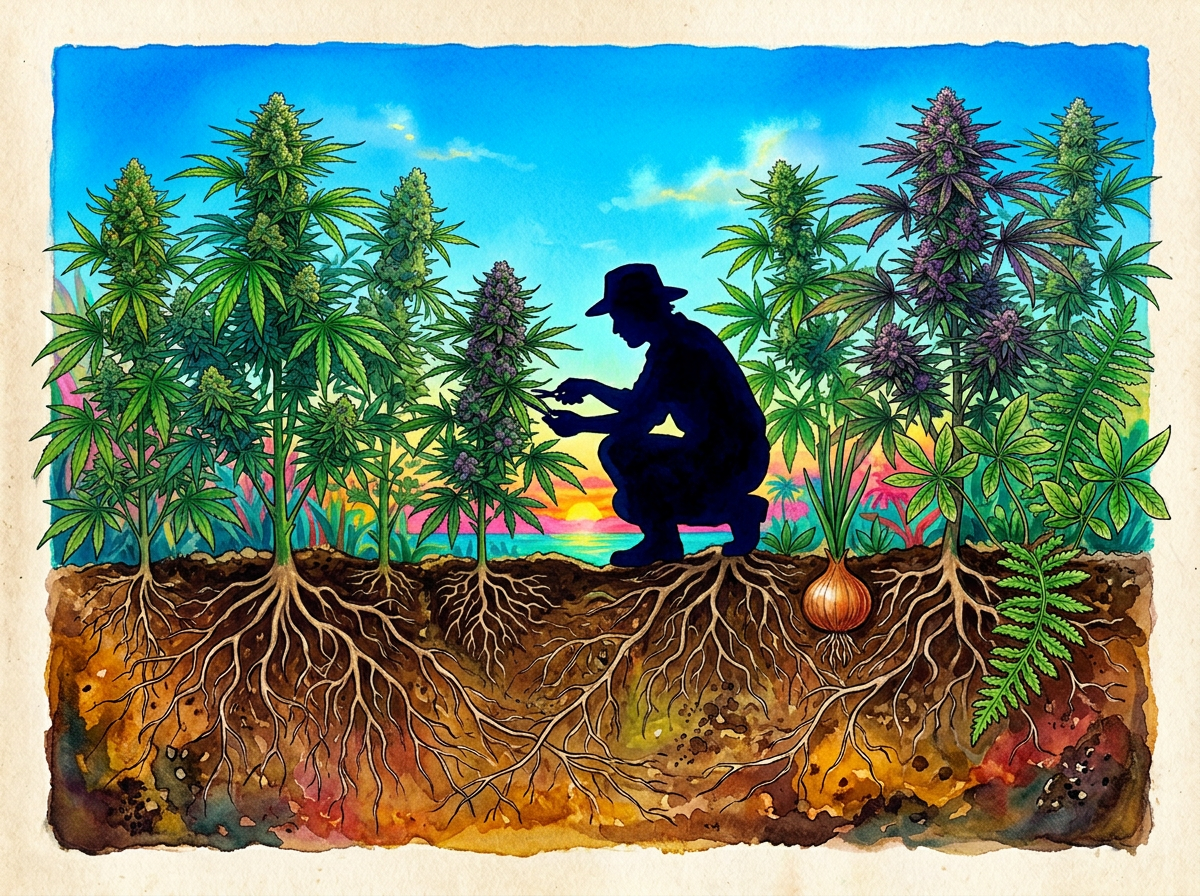
For a medical marijuana patient, growing cannabis at home can add another layer to the therapeutic value of gardening. The patient is not simply growing a plant; they are producing something they may actually depend on for symptom relief. That can become important when dispensary prices are high, when a particular strain is difficult to find, or when traveling to a dispensary is difficult. Hawaiʻi’s Department of Health found that many medical cannabis patients who grew their own plants did so because they could produce particular strains that worked for them and because dispensary products were sometimes too expensive or unavailable. Washington has similarly recognized that home cultivation can give medical patients more control over the quality, potency, and strain of the cannabis available to them. Read the Hawaiʻi Department of Health medical cannabis patient survey and Washington Department of Health’s report on patient access to medical marijuana.
There is also something meaningful about being involved in producing your own medicine. A patient can select the variety, plant it, care for it, observe how it responds, harvest it, and eventually use the finished product. In that sense, home cultivation can combine two different things: the ordinary therapeutic benefits associated with gardening and greater personal control over access to medicine. State data show that patients actually use this option when it is available. New Mexico has documented medical patients actively using personal-production licenses, while New York has reported that people grow cannabis at home for reasons including lower cost, convenience, and the ability to personalize what they grow. None of this means that growing cannabis is appropriate or possible for every patient. But for someone who is physically able to garden and legally permitted to cultivate, growing their own medicine can turn treatment from something they simply purchase and consume into something they actively participate in producing. Read New Mexico’s medical cannabis patient survey and New York’s cannabis implementation report. It’s time for Florida to get on the bus with Gus in these other states and go back to our State’s great agricultural roots by including medicine amongst the food we grow. Support FLCAN today with a donation via PayPal or Venmo using this link: FLCAN.org/donate.




Leave a Reply
Your email is safe with us.